


Every year, Plastic Free July encourages people around the world to rethink their use of plastic and make small changes that contribute to a larger environmental impact.
For businesses, however, the opportunity to drive change extends far beyond swapping a disposable item for a reusable alternative. Real impact happens when sustainability is embedded into everyday business decisions, particularly those made across supply chains.
Packaging remains one of the biggest opportunities for organisations looking to reduce waste, lower emissions and minimise their use of virgin plastic. Yet despite its strategic importance, packaging choices are made millions of times every day, with significant implications for both environmental performance and operational efficiency.
At Link, we believe that smarter packaging starts with a simple principle: use only what is necessary and make every material count
The Hidden Impact of Packaging
Packaging plays a vital role in protecting products, supporting transportation, and ensuring goods arrive safely in the hands of consumers. However, many packaging formats evolve over time, accumulating additional layers, materials, or components that may no longer be required. An extra polybag. An oversized carton. A protective insert that serves little purpose.
Individually, these additions may seem insignificant. Across millions of units, they represent a substantial amount of material consumption, waste and carbon emissions. This is where packaging optimisation can make a meaningful difference.
By reviewing packaging specifications, challenging existing assumptions and working closely with suppliers, organisations can identify opportunities to remove unnecessary materials without compromising product quality, performance or customer experience.
Turning Small Changes into Large-Scale Impact
One of the most effective aspects of packaging optimisation is scalability. A few grams removed from a single package may not seem like much. Yet when multiplied across global supply chains and millions of products, those small reductions quickly become significant.
Over the past 6 months, Link has partnered with clients and suppliers to identify opportunities to reduce virgin plastic through packaging optimisation initiatives.
The results demonstrate the power of continuous improvement:
- 50 million packaging units assessed
- 212 tonnes of virgin plastic removed
- 1,048 tonnes of CO₂e emissions avoided
These outcomes were achieved through practical changes such as eliminating unnecessary packaging, optimising material usage and transitioning to lower-impact alternatives where appropriate.
Rather than relying on a single solution, the impact is driven by hundreds of improvements implemented consistently across multiple supply chains.
Why Procurement Plays a Critical Role
When discussing plastic reduction, conversations often focus on recycling and waste management. While these remain important, some of the greatest opportunities exist much earlier in the process.
Procurement teams influence the selection of materials, the suppliers that are engaged, and the packaging specifications that are approved. These decisions shape the environmental footprint of products long before they reach consumers.
By integrating sustainability into procurement strategies, organisations can proactively reduce material use, minimise waste and lower emissions while maintaining operational performance.
This approach not only supports environmental goals but can also improve efficiency, reduce costs and strengthen supply chain resilience.
From Plastic Reduction to Better Packaging Decisions
Plastic Free July serves as a valuable reminder that every material choice matters. However, meaningful progress requires more than short-term action.
The most successful organisations are moving beyond simply reducing plastic and focusing instead on designing packaging systems that are fit for purpose, resource efficient and aligned with long-term sustainability objectives.
This means asking important questions:
- Is every packaging component necessary?
- Can material usage be reduced?
- Are there lower-impact alternatives available?
- Can packaging be designed to improve recyclability and resource efficiency?
By asking these questions consistently, businesses can uncover opportunities that deliver measurable environmental and commercial benefits.
A Practical Guide to Sustainable Packaging
Understanding where to start can often be the biggest challenge.
Our Packaging Guidelinesprovide a framework to help businesses evaluate packaging decisions through a sustainability lens.
Inside, you’ll find practical insights into packaging optimisation, material selection, waste reduction strategies and opportunities to improve environmental performance across your supply chain.
Whether you’re looking to reduce virgin plastic, lower emissions or build a more responsible packaging strategy, the guide provides practical recommendations to help you take the next step.
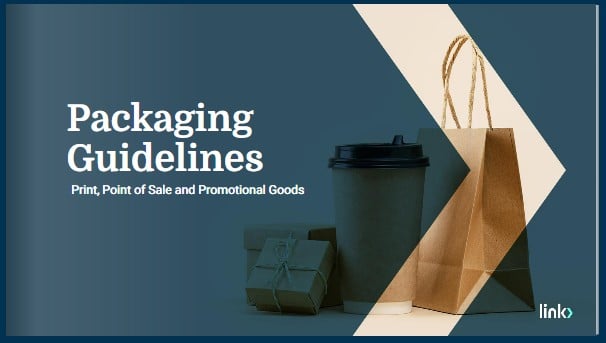
Download our Packaging Guidelines and discover how smarter packaging decisions can help reduce waste, remove unnecessary materials and create measurable impact across your supply chain.
Looking Beyond Plastic Free July
Plastic Free July may last for one month, but the decisions that shape environmental impact are made every day.
At Link, we are committed to helping clients identify opportunities to reduce reliance on virgin plastic, optimise packaging and build more sustainable supply chains through practical, measurable action.
Because when millions of packaging decisions are made every year, even the smallest improvements can create lasting change.
Contact us today to discuss your goals and explore how we can turn best practice into practical action.