
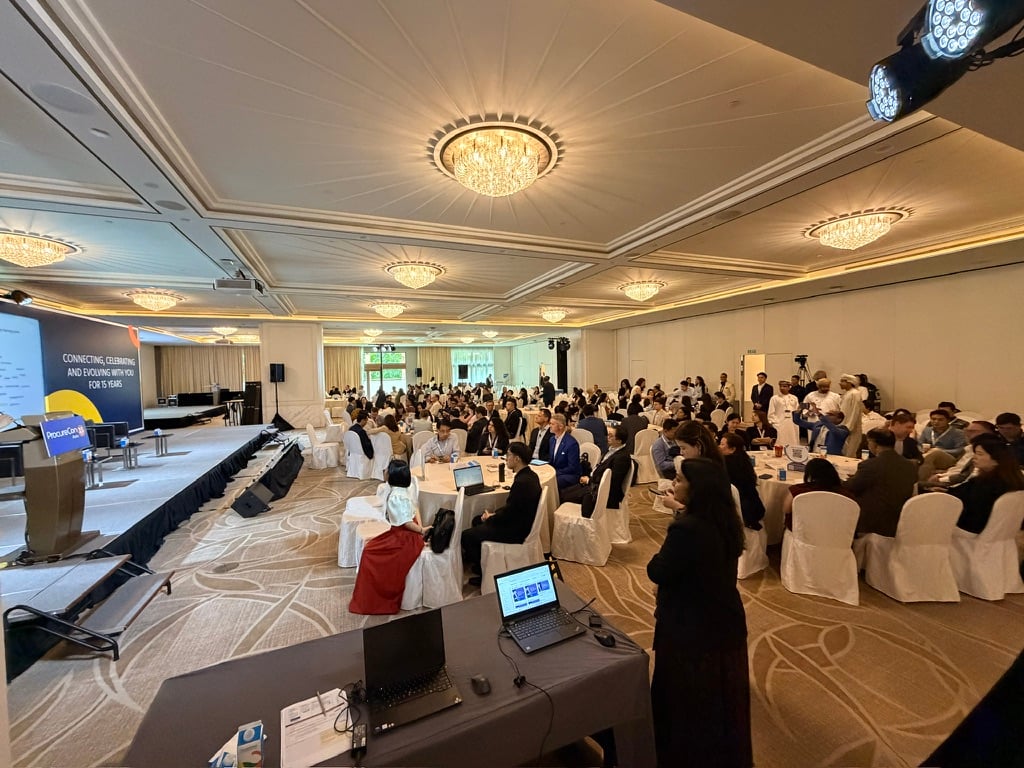

The role of procurement is evolving. Once viewed primarily as a function focused on cost, compliance and supplier governance, it is increasingly recognised as a strategic business function that helps organisations respond to disruption, strengthen supplier relationships and drive long-term business performance.
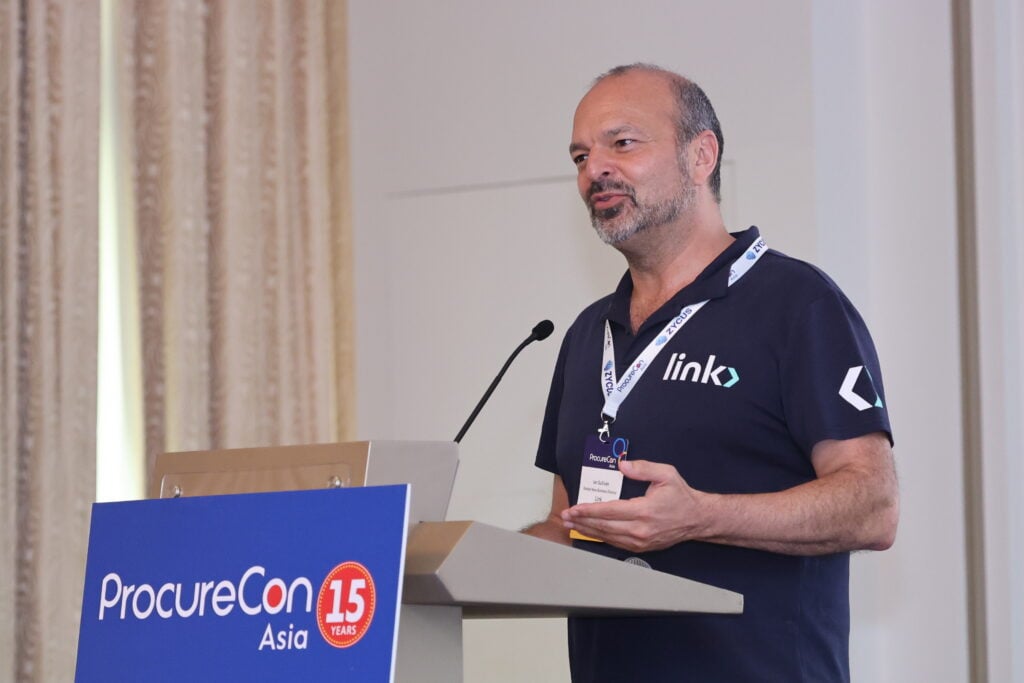
This shift formed the basis of Link s session at ProcureCon Asia 2026, where our Global New Business Director, Ian Sullivan, explored how leading organisations are rethinking procurement and supply chain management.
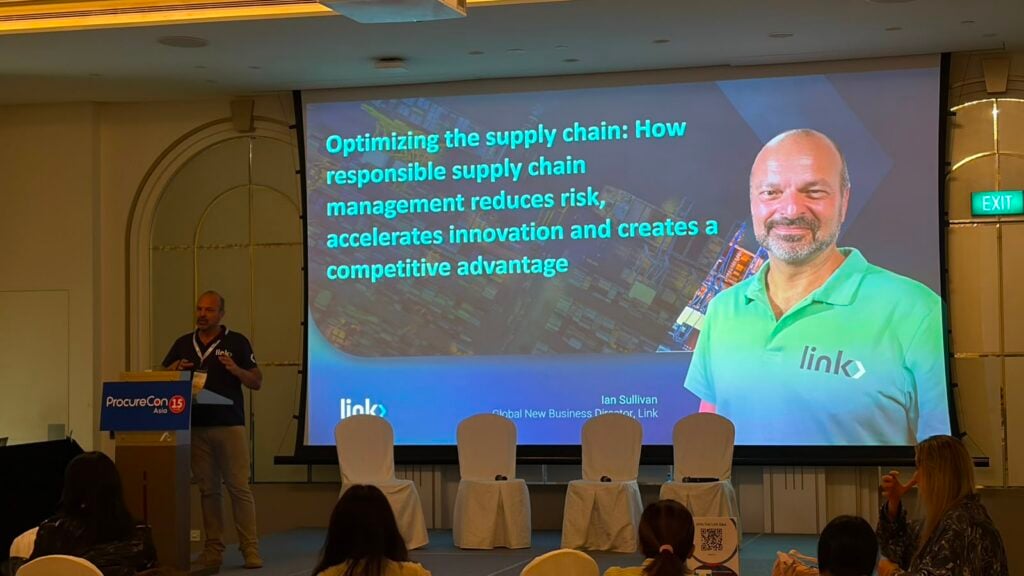
The supply chain landscape is changing
Businesses today are operating in an environment shaped by geopolitical uncertainty, supply disruptions, digital transformation, increasing ESG requirements and rising expectations from customers, investors and regulators.
As a result, procurement teams are being asked to do much more than secure the best price. They are expected to build resilient supply chains, identify potential risks before they become problems and help their organisations respond faster to change.
The conversation is shifting from cost reduction to value creation.
Responsible supply chains strengthen business resilience
One of the key messages from the session was simple: responsible procurement protects revenue, not just reputation.
Leading organisations are moving away from reactive supplier management and investing in greater visibility across their supply chains. This includes understanding risks beyond tier-one suppliers, strengthening supplier relationships and using data and AI to identify potential issues before they impact operations.
When disruption occurs, businesses with strong supplier partnerships and greater transparency are often better positioned to respond quickly and maintain continuity.

Innovation starts with strategic supplier partnerships
Many organisations are discovering that some of their best ideas come from outside their own business. Strategic supplier relationships are becoming a powerful source of innovation, helping organisations improve products, identify efficiencies and advance sustainability goals.
Whether through digital integration, data sharing or joint sustainability initiatives, suppliers are increasingly being viewed as partners rather than vendors.
The organisations that collaborate most effectively with their suppliers are often those that innovate fastest and stay ahead of their competitors.
Responsible procurement creates competitive advantage
Responsible sourcing is no longer just about meeting compliance requirements. It is becoming a genuine business differentiator.
Customers want to buy from businesses that align with their values. Investors are looking for organisations that can demonstrate strong governance and sustainable growth. At the same time, resilient supply chains help organisations navigate disruption and respond to changing market conditions more effectively.
Long-term supplier partnerships can also deliver benefits that extend beyond cost savings, including greater agility, improved supplier loyalty and lower total cost of ownership.
What leading procurement teams are doing differently
Across the discussions at ProcureCon Asia, several common themes emerged among procurement leaders
Embedding ESG into supplier selection and performance management
- Investing in supplier capability rather than relying solely on audits
- Using AI and digital tools to improve visibility and transparency
- Measuring value beyond cost savings
- Encouraging collaboration between procurement, operations, legal and sustainability teams
- Balancing commercial performance with responsible business objectives.
Together, these priorities reflect procurement’s increasingly important role in delivering business growth, resilience and innovation.
Looking ahead
One question posed during the session sparked considerable discussion:
Is procurement still measured primarily on savings, or on the resilience and value it creates?
As the role of procurement continues to evolve, the most successful organisations will be those that recognise responsible supply chain management as a strategic driver of resilience, innovation and long-term business value.
The future procurement leader will not be defined solely by the savings they negotiate, but by the resilience, innovation and sustainable value they create across the entire supply chain.
Interested in exploring how responsible procurement can strengthen your supply chain and support your business objectives? Get in touch with Ian Sullivan, Global New Business Director, to continue the conversation.