


In 2026, sustainability is no longer a marketing message, it’s a procurement and brand requirement. Across promotional products, GWP, POSM and print, brands are being held to higher standards by consumers, retailers and internal stakeholders. What has changed this year is not whether sustainability matters, but how rigorously it is measured, specified and delivered.
- Responsible Materials Are the New Baseline
Materials such as recycled plastics, certified fibres and responsibly sourced substrates are no longer differentiators, they are the starting point. At Link, we developed practical material guidelines that define preferred materials, sourcing standards and durability requirements, helping procurement teams make faster, more informed decisions.
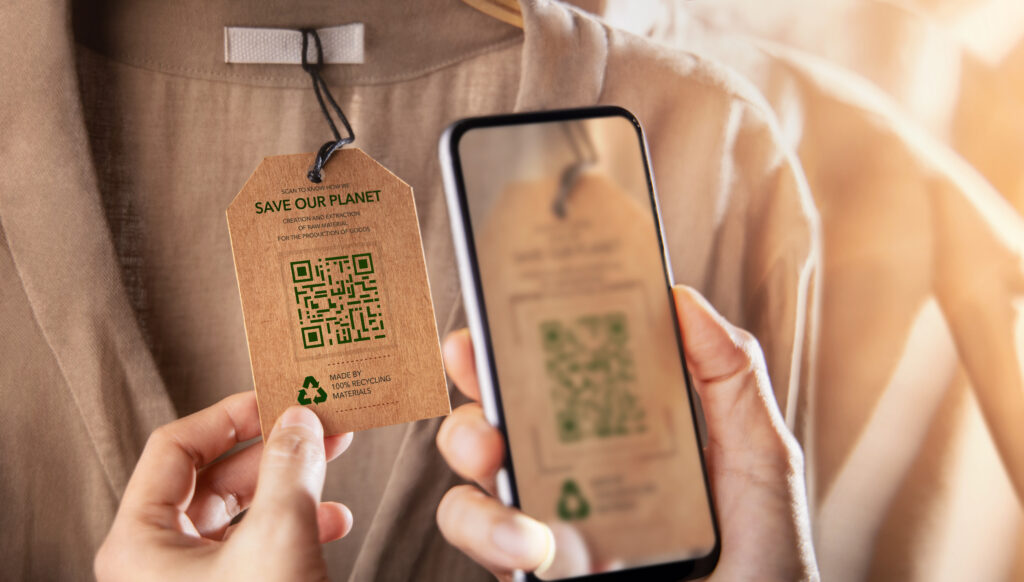
In 2026, the focus is on material origin, lifespan and end-of-life outcomes rather than labels or claims.
What this means for brands:
- Products designed to last longer increase brand exposure and reduce waste
- Material guidelines support consistent, responsible procurement across markets
- Transparency strengthens credibility with consumers, retailers and internal stakeholders
- Sustainability Directly Influences Brand Preference
Shoppers increasingly align with brands that demonstrate responsible practices through action, not claims. Products that are well-made, reusable and thoughtfully designed are perceived as higher value, driving stronger engagement, trust and loyalty.
For marketing initiatives, this means sustainability supports both brand equity and commercial performance, particularly in GWP and promotional campaigns where perceived value matters.
- From CSR to Core Business Strategy
Sustainability has moved beyond corporate social responsibility into core operational decision-making. ESG frameworks are shaping supplier selection, product development and marketing approvals.
In 2026, procurement teams play a central role in delivering sustainability outcomes by:
- Evaluating supplier standards and certifications
- Aligning sourcing decisions with ESG objectives
- Reducing risk linked to regulation and supply chain volatility
This shift positions sustainability as a strategic enabler, not a cost.

- Lifecycle Thinking Shapes Product Decisions
The focus has expanded from materials alone to full lifecycle impact, how products are produced, used, reused and ultimately disposed of. Brands are increasingly favouring items that support circular models and reduce unnecessary waste.
Examples include:
- Reusable promotional items with longer in-market lifespan
- Reduced and recyclable packaging formats
- Print strategies that optimise volumes and avoid overproduction
Lifecycle thinking enables smarter spend, reduced waste and more responsible outcomes.
- Transparency and Measurable Impact Matter More Than Claims
In 2026, broad sustainability statements are no longer sufficient. Brands are expected to provide clear, verifiable and measurable outcomes tied to their marketing initiatives

Procurement and marketing teams are increasingly tracking:
- Material composition and sourcing
- Waste reduction and reuse rates
- Carbon and logistics efficiencies
This data-driven approach builds trust, supports internal reporting and strengthens client confidence.
- How Brands Can Act in 2026
To remain credible and competitive, brands should:
- Embed sustainability into procurement standards, not campaign add-ons
- Prioritise durability and function over short-term giveaways
- Work with partners who provide transparency and traceability
- Communicate impact through facts and outcomes, not buzzwords
In 2026, sustainability is still the top trend; it’s a strategic standard for marketing procurement, promotional products, GWP, POSM and print. Brands that embed responsible materials, lifecycle thinking, and measurable impact into their campaigns not only strengthen their reputation but also deliver greater efficiency, engagement and long-term value.
At Link, we partner with our clients to turn sustainability into actionable outcomes. From developing material guidelines and optimising product lifecycles to creating campaigns that balance performance with responsibility, we help brands stand out while doing good.
Sustainability isn’t just what you give, it’s how you give it, how it lasts, and the impact it makes.
Let’s make sustainability work harder for your brand. Click here to get in touch to start building marketing solutions that deliver positive change.